Operation Chrome Dome a Cold War Tale of Nuclear Readiness
By Nick Nutter |
Published: 2023-07-20 |
Updated: 2025-05-20
Visited 6,571 times
Investigating the covert Operation Chrome Dome during the Cold War, where nuclear-armed bombers maintained continuous airborne patrols, ready to strike at any moment. Learn about the challenges, risks, and the legacy of this high-stakes mission that aimed to showcase American nuclear deterrence capabilities and deter potential Soviet aggression.
Contents
Introduction
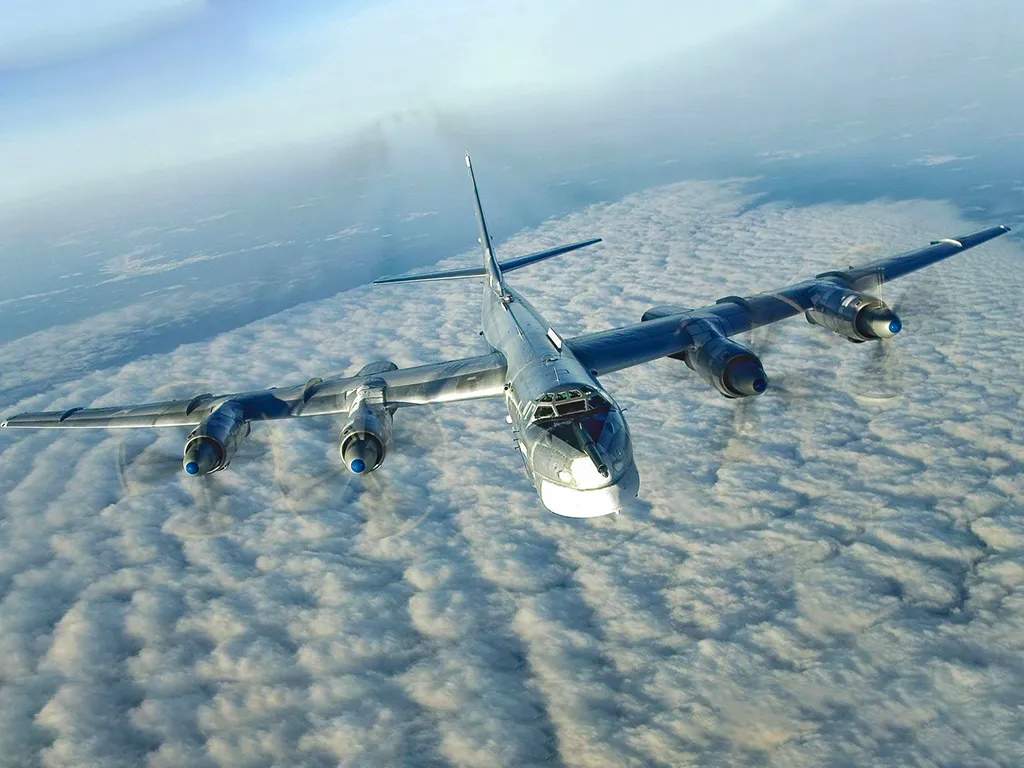
Tupolev TU-95 Bear
During the height of the Cold War, the United States and the Soviet Union engaged in a dangerous and high-stakes game of nuclear deterrence. In an effort to maintain nuclear readiness and prove their military might, the U.S. Strategic Air Command (SAC) initiated a secret airborne operation known as "Operation Chrome Dome." Chrome Dome ran from 1960 to 1968, it's purpose was to keep a fleet of nuclear-armed bombers in constant airborne patrols, poised to strike at a moment's notice. This article looks into the history, purpose, and eventual demise of Operation Chrome Dome.
The Cold War Context
The Cold War era was characterized by an intense rivalry between the United States and the Soviet Union. Both superpowers recognized the potentially catastrophic consequences of a nuclear conflict and sought to maintain a balance of power through the doctrine of Mutually Assured Destruction (MAD). Operation Chrome Dome was born out of the belief that a strong, visible presence of nuclear-armed bombers that could strike into Russian airspace at a moment's notice could effectively deter Soviet aggression.
Objective and Execution
The primary objective of Operation Chrome Dome was to keep nuclear-armed strategic bombers continuously airborne and within striking range of the Soviet Union. By doing so, the United States aimed to demonstrate its unwavering commitment to protecting its national security interests and to dissuade the Soviets from contemplating any aggressive actions.
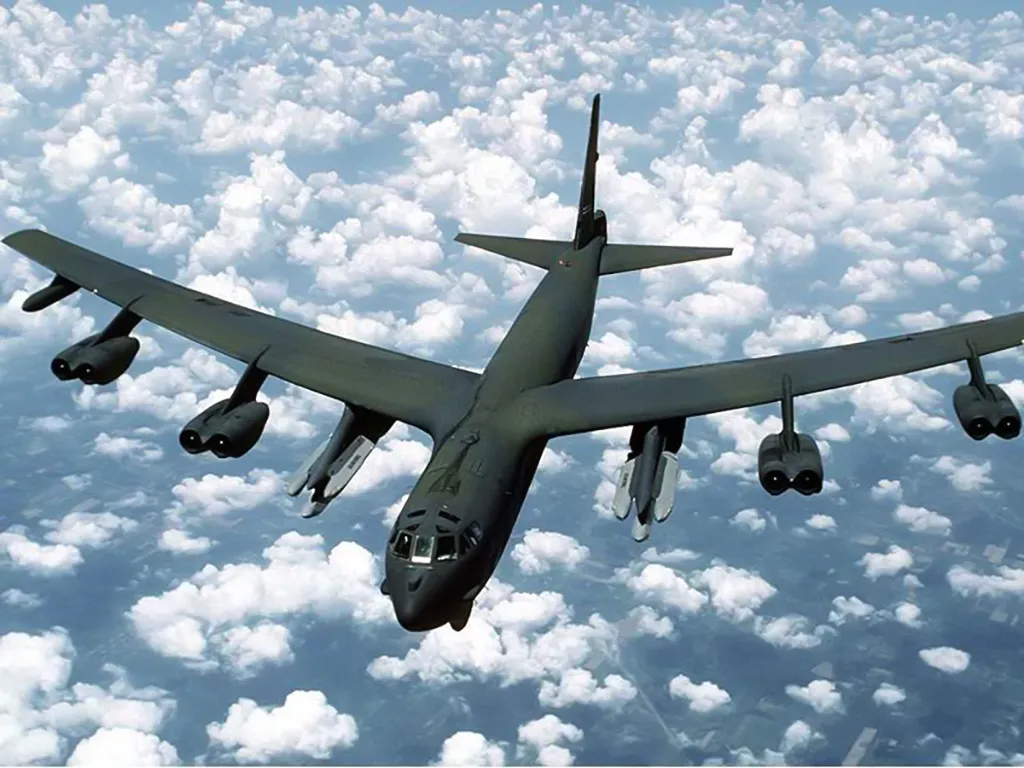
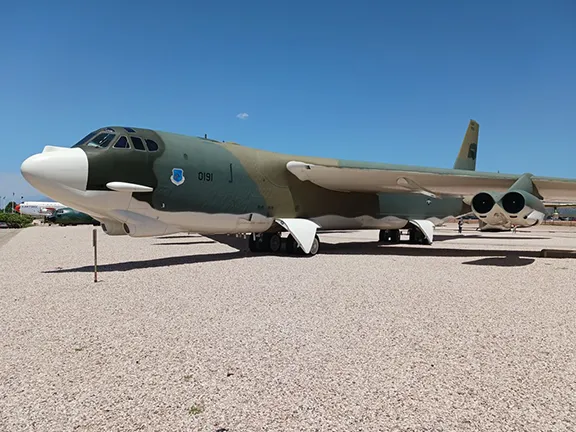
Under Chrome Dome, a rotating fleet of B-52 Stratofortress bombers armed with thermonuclear weapons would take off from bases in the United States and fly predetermined routes across the Atlantic Ocean, Arctic, and Pacific regions. These bombers would remain airborne for extended periods, sometimes up to 24 hours, before returning to their bases. On these extended missions the bomber crews could expect to perform in flight refuelling twice, once on the way to their patrol area and once on the return journey. This perpetual state of airborne readiness ensured that a devastating nuclear strike could be launched within minutes, if considered necessary.
Operation Chrome Dome Routes
Chrome Dome Stratofortresses operated over three routes lasting approximately twenty-four hours in duration. KC-135s in the US northeast refueled the B-52s at a location code named 'BLACK GOAT' over Newfoundland, delivering 12,500 gallons of fuel to each bomber, eleven times more than an average family consumes a year. The three B-52s in cell formation continued north toward Thule Greenland, turning west for Alaska near the North Pole. Eielson Alaska tankers rendezvoused with the B52 cell on a track code named 'COLD COFFEE', northwest of Mt McKinley, each receiving another 110,000 pounds of jet fuel for the return to home bases.
The Chrome Dome western route passed over Alaska into the Beaufort Sea. Most Alaska tanker crews double turned; flying a mission, landing to upload fuel, and taking off on a second sortie meeting B-52s on 'COLD COFFEE' track.
A Southern European route crossed the Atlantic to a point northwest of Spain. Two tankers from Moron or Torrejón rendezvoused over the Pyrenees Mountains, both bombers gulping down 105,000 to 115,000 pounds of fuel. The B-52s continued to hold points in the Adriatic Ocean off the coast of Italy. Returning to the States, nearing Gibraltar, two more Spain based tankers pumped another 110,000 pounds into each bomber at a location code named 'SADDLE ROCK'.
Tanker aircraft and crews rotated in and out of the US Northeast, Spain, and Alaska Tanker Task Forces on forty-five to sixty-day cycles. Twelve Chrome Dome B-52s remained airborne twenty-four hours a day.
Timespan of Chrome Dome
Operation Chrome Dome was initiated and authorized by President Dwight D. Eisenhower during his time in office. Eisenhower, the 34th President of the United States, played a pivotal role in shaping U.S. Cold War strategy, including nuclear deterrence policies. Eisenhower, with his background as a former military general, understood the importance of keeping a strong and visible presence to deter potential Soviet aggression. Operation Chrome Dome was implemented under his administration in 1960, and it continued until 1968, spanning the presidencies of both Eisenhower and his successor, President John F. Kennedy.
Challenges and Risks
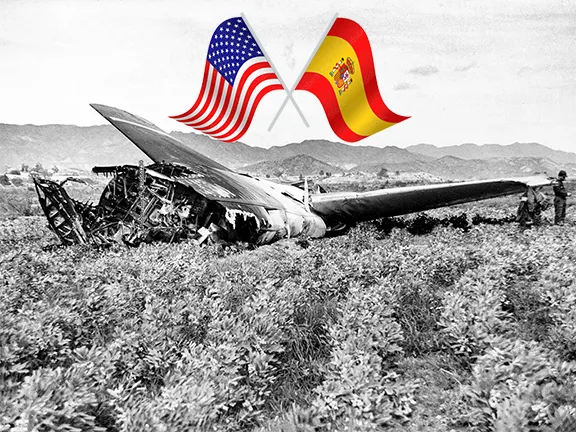
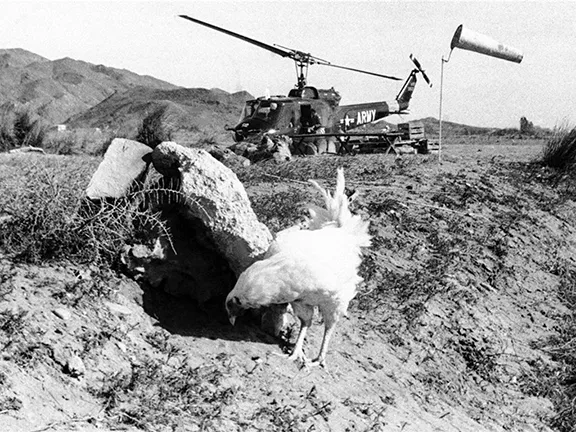
Operation Chrome Dome presented many challenges and risks. The continuous airborne patrols placed immense strain on the flight crews, who endured fatigue and isolation during their missions. Technical malfunctions and accidents were also a constant concern. In fact, several aircraft had already been lost due to accidents by the time the famous "Palomares Incident" occurred in 1966 when a B-52 collided with a KC-135 tanker, resulting in the accidental release of four nuclear weapons over Spain.
Moreover, the secrecy surrounding Operation Chrome Dome meant that the American public and even many military personnel were unaware of its existence. There was a great potential for a catastrophic accident that could lead to an escalation of tensions between the United States and the Soviet Union.
The secrecy and risks associated with Operation Chrome Dome eventually led to its demise.
Following the Palomares incident, public scrutiny intensified, and the U.S. government faced mounting pressure to discontinue Chrome Dome. The rapid advancement of intercontinental ballistic missile (ICBM) technology also made airborne patrols less crucial for nuclear deterrence. The final nail in the coffin for Chrome Dome occurred on the 21st of January 1968 when a B-52 carrying four thermonuclear bombs crashed into the sea in North Star Bay, Greenland, causing the conventional explosives aboard to detonate and the nuclear payload to rupture and disperse, resulting in radioactive contamination of the area. In October 1968, after eight years of operation, Operation Chrome Dome was officially terminated by President Lyndon B. Johnson.
Soviet Response to Chrome Dome
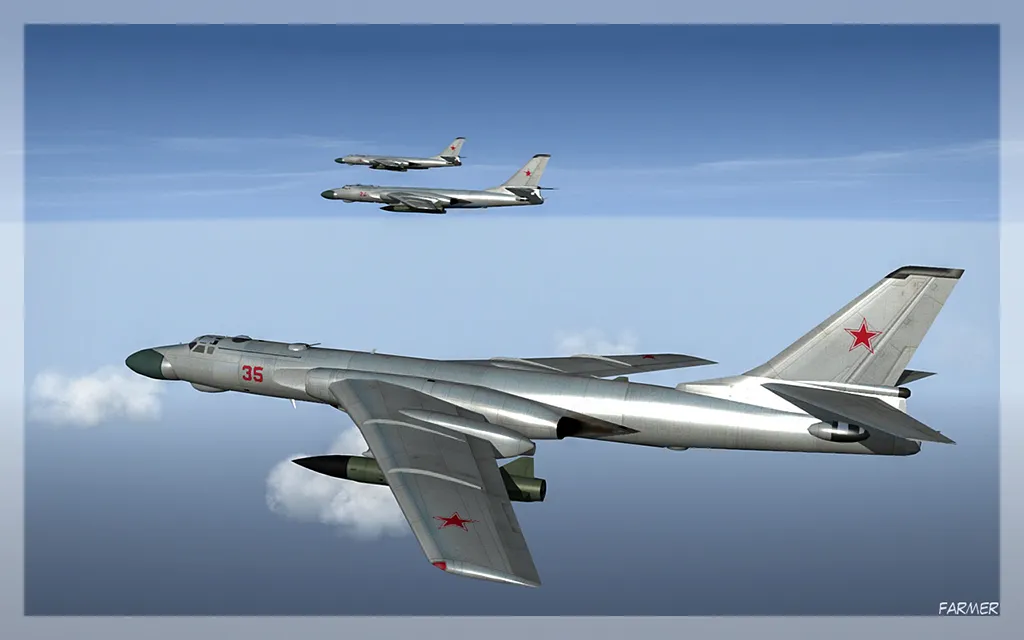
Tupolev TU-16 Badger
The Soviet response to Chrome Dome was an operation they called 'Operatsiya K'. Operation K, like its American counterpart, involved maintaining a continuous airborne patrol of nuclear-armed strategic bombers. They used a long-range, four-engine turboprop strategic bomber called the Tupolev Tu-95 (NATO designation "Bear") and the Tu-16 (NATO reporting name "Badger"). It is believed the Soviets ran Operation K from 1960 until the 1970s. It was certainly running in 1971 when I was briefly based at Lossiemouth in Scotland on anti-submarine patrol, and we were briefed on the presence of these Soviet aircraft transiting over the North Sea.
United States Bases in Spain
B-52 Stratofortress
During the Cold War, the United States had several military bases in Spain that hosted American aircraft as part of its strategic defence programme. These bases played a crucial role in supporting U.S. military operations and acted as a forward operating presence in Europe. Two notable bases in Spain that housed U.S. aircraft during this period were Torrejon Air Base and Moron Air Base.
Torrejon Air Base
Located near Madrid, Torrejon Air Base served as a key installation for the United States Air Force (USAF) in Europe. It hosted a variety of U.S. aircraft, including fighter jets and strategic bombers, and played a significant role in projecting American air power across the region. Torrejon Air Base was particularly important during the Cold War as it provided a forward staging location for U.S. forces and supported operations aimed at deterring potential Soviet aggression.
Moron Air Base
Situated near the town of Moron de la Frontera in southwestern Spain, Moron Air Base was another critical U.S. military facility during the Cold War era. It served as a strategic transport and refuelling hub for the U.S. Air Force and also housed American fighter squadrons. Moron Air Base played a vital role in supporting U.S. military operations in Europe, Africa, and the Mediterranean region, acting as a gateway for rapid deployment of forces and facilitating logistical support.
It is worth mentioning that in addition to Torrejon and Moron, there were other U.S. military installations in Spain during the Cold War, including Rota Naval Station and Naval Station Rota Air Base, which were primarily operated by the U.S. Navy. While these bases focused more on naval and maritime operations, they also played a role in supporting American air assets.
The presence of U.S. aircraft in Spain during the Cold War represented a significant component of the U.S. military's global reach and its commitment to protecting its interests and those of its allies in Europe. These bases served as strategic assets that contributed to the overall defence and deterrence posture of the United States during a time of heightened tensions between the superpowers.
You are currently browsing the result of a massive technical overhaul. My new book, Legacy Reloaded: A dev, an AI, and the relentless pursuit of 100, chronicles the journey of transforming an aging legacy website into a modern, lightning-fast platform that hits the perfect 90+, 100, 100, 100, 3/3 Lighthouse metrics. It’s a story of collaboration between developer and AI, and the stubborn pursuit of technical perfection.